
-

Why your autistic child may say you’re shouting (even when you’re not)
When your autistic child says you’re yelling, they may not be describing the volume of your voice. Explore what they may be communicating, how co-dysregulation can intensify difficult moments, and how fewer words, less urgency and more space can help reduce pressure.
-

Accessible informed consent: communicating healthcare information without overwhelming autistic people
Accessible informed consent means more than giving accurate information. It means communicating in ways autistic people can understand, retain and use – with the right pace, context, language and support to participate meaningfully in decisions about their care.
-

When healthcare becomes a barrier: why neurodivergent children and young people need trauma-informed NHS care
Healthcare should be accessible to every child. This article explores why neurodivergent children and young people often face barriers to care, and how trauma-informed practice, reasonable adjustments and organisational change can help make healthcare safer, fairer and genuinely accessible.
-

Rethinking resilience: the overlooked role of recovery
Resilience is often seen as the ability to keep going through adversity. But what if recovery is just as important as challenge? This article explores why resilience depends on the balance between adaptation and recovery, and how this perspective offers a new way of understanding autistic burnout.
-

Has modern childhood become too demanding?
Why are increasing numbers of children struggling with their mental health? This article explores whether the issue is not simply stress, but an imbalance between the demands of modern childhood and the opportunities growing brains and bodies have to recover.
-

Why the body matters in children’s mental health
Mental health does not happen inside the mind alone. This article explores how the brain and body work together to support wellbeing – and why understanding adaptation and recovery may change how we think about children’s mental health.
-

What would an autism-focused neuro-affirming, trauma-informed education training programme look like?
A truly neuro-affirming, trauma-informed approach moves beyond behaviour management to understanding nervous systems, communication, safety and regulation. Discover what meaningful autism training should include, why lived experience matters, and how schools can reduce trauma by creating environments where neurodivergent children feel safe enough to learn and thrive.
-

Building capacity: recovery from autistic burnout is like strength training
Recovering from autistic burnout is rather like recovering after exercise. Just as muscles grow stronger through balancing activity with rest, autistic children and young people rebuild capacity by balancing manageable demands with sufficient recovery, gradually increasing resilience without pushing through exhaustion.
-

Co-dysregulation and co-regulation when your child or young person is experiencing autistic burnout
Autistic burnout affects the whole family. Understanding co-dysregulation and co-regulation can help you recognise how nervous systems influence one another, reduce unintentional stress, and create the safety, connection, and space your child or young person needs to recover.
-
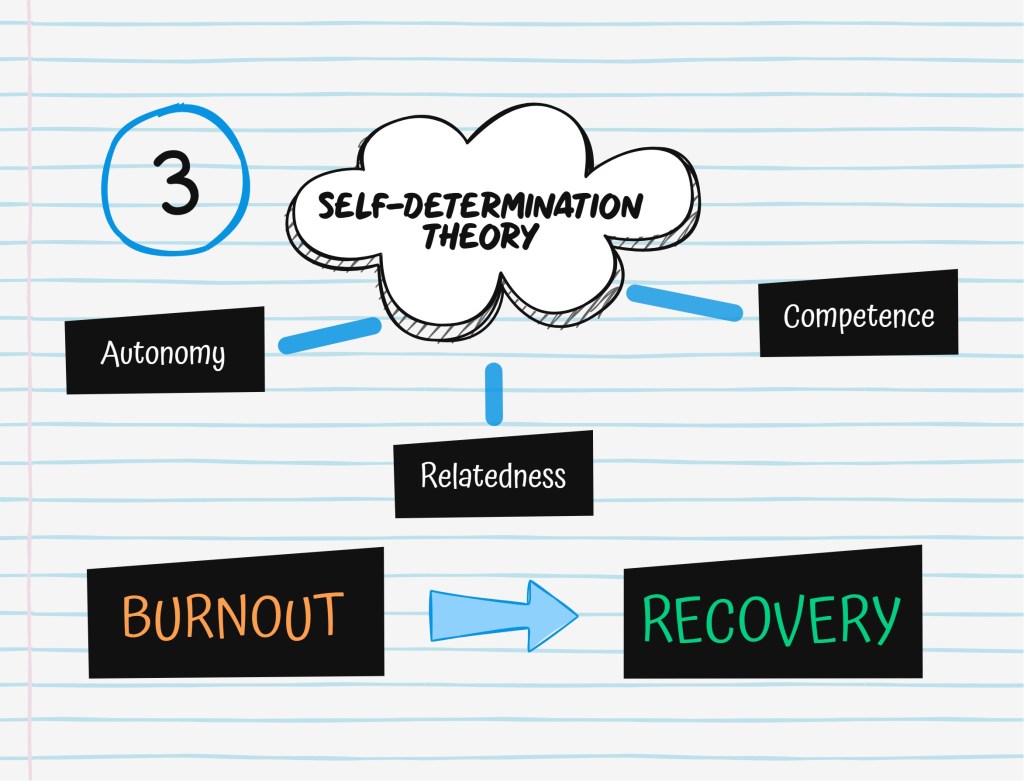
How self-determination theory can help when your child is recovering from autistic burnout – part 3
Part 3 of our self-determination theory (SDT) series turns theory into practice. Explore simple, low-pressure strategies that can support autonomy, competence, and relatedness while helping your child recover from autistic burnout and gradually rebuild their capacity and wellbeing.
-
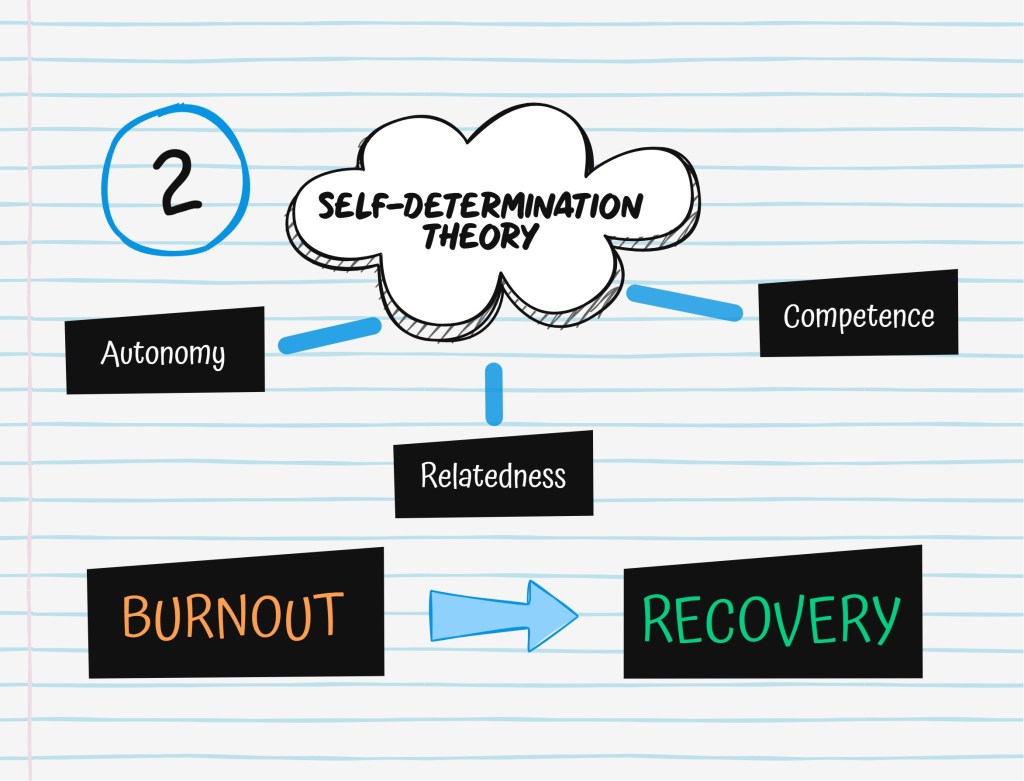
How self-determination theory can help when your child is recovering from autistic burnout – part 2
In Part 2 of our series on self-determination theory (SDT) and autistic burnout, we explore how SDT can support parents as well as children. Learn how understanding your own needs can help you rebuild confidence, reduce isolation, and navigate the challenges of burnout while supporting your child’s recovery.
-
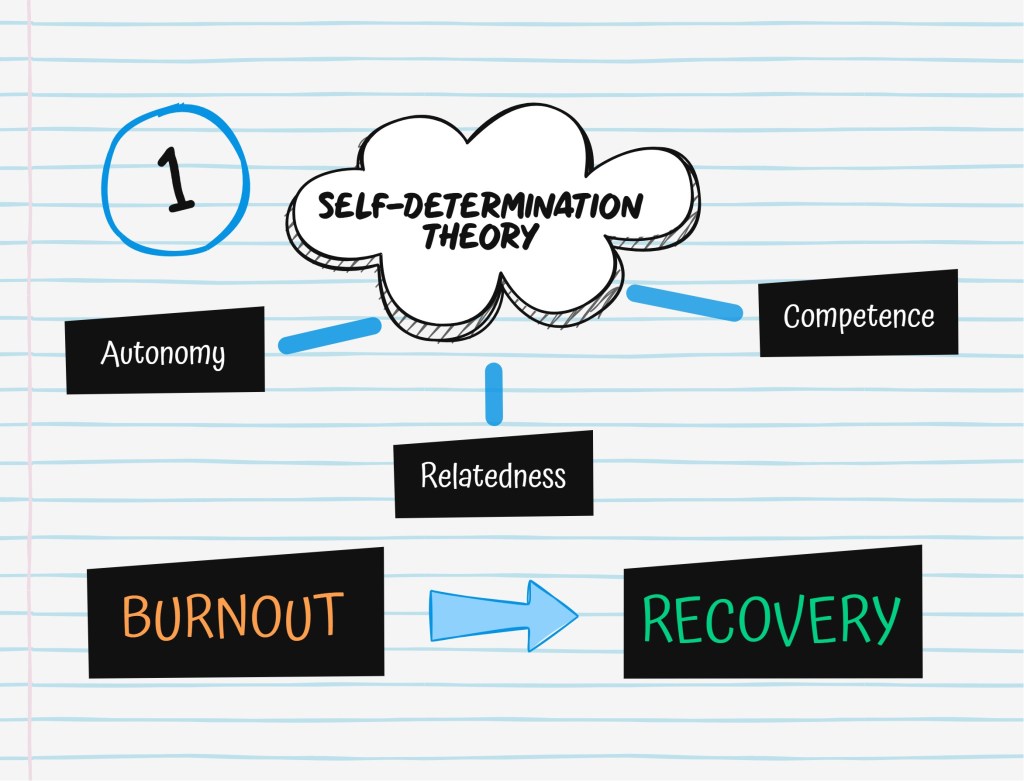
How self-determination theory can help when your child is recovering from autistic burnout – part 1
At first glance, self-determination theory (SDT) might seem like an abstract academic concept. Yet it offers powerful insights into autistic burnout and recovery. Discover how supporting autonomy, competence, and relatedness can help create the conditions your child needs to recover and thrive.
 Unmasking Autistic Burnout